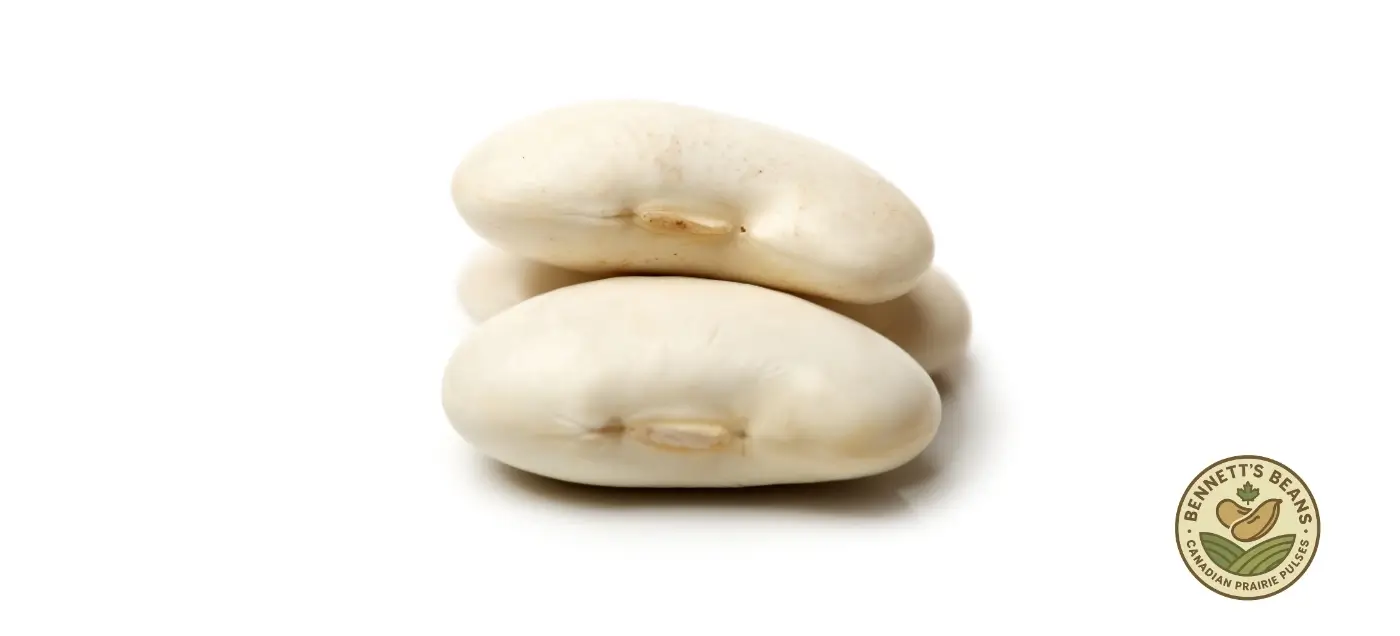
Canadian White Kidney Beans | Wholesale & Bulk Supplier
Bennett’s Beans supports export programs for Canadian cannellini (white kidney) beans for importers, wholesalers, and food manufacturers. We work with contracted growers and coordinate export-ready cleaning and packing through qualified partners. That means buyers receive consistent lots, clear documentation, and shipment planning aligned to destination requirements. Buyers can also review our food manufacturing, export documents, and bean specifications pages for program details.
- Program-based supply via contracted growers
- Lot-confirmed targets (as agreed): moisture, purity, defects & sizing
- Bulk packing: 25 kg / 50 kg bags and 1-ton food-grade totes (FIBCs)
- Typical load format: FCL container programs (MOQ depends on packaging & destination)
- Documentation support for destination requirements
- Quote-based terms (no public pricing)
Cannellini Bean Profile Colour, Texture, Cooking Behaviour
Cannellini beans are chosen for their bright appearance, creamy bite after cooking, and reliable performance in soups, salads, and prepared-food programs. Their mild flavour and consistent texture make them a strong fit for food manufacturing, canning, and branded ready-meal lines where lot consistency matters. If your program depends on defined quality tolerances, you can also review our bean specifications before requesting a quote.
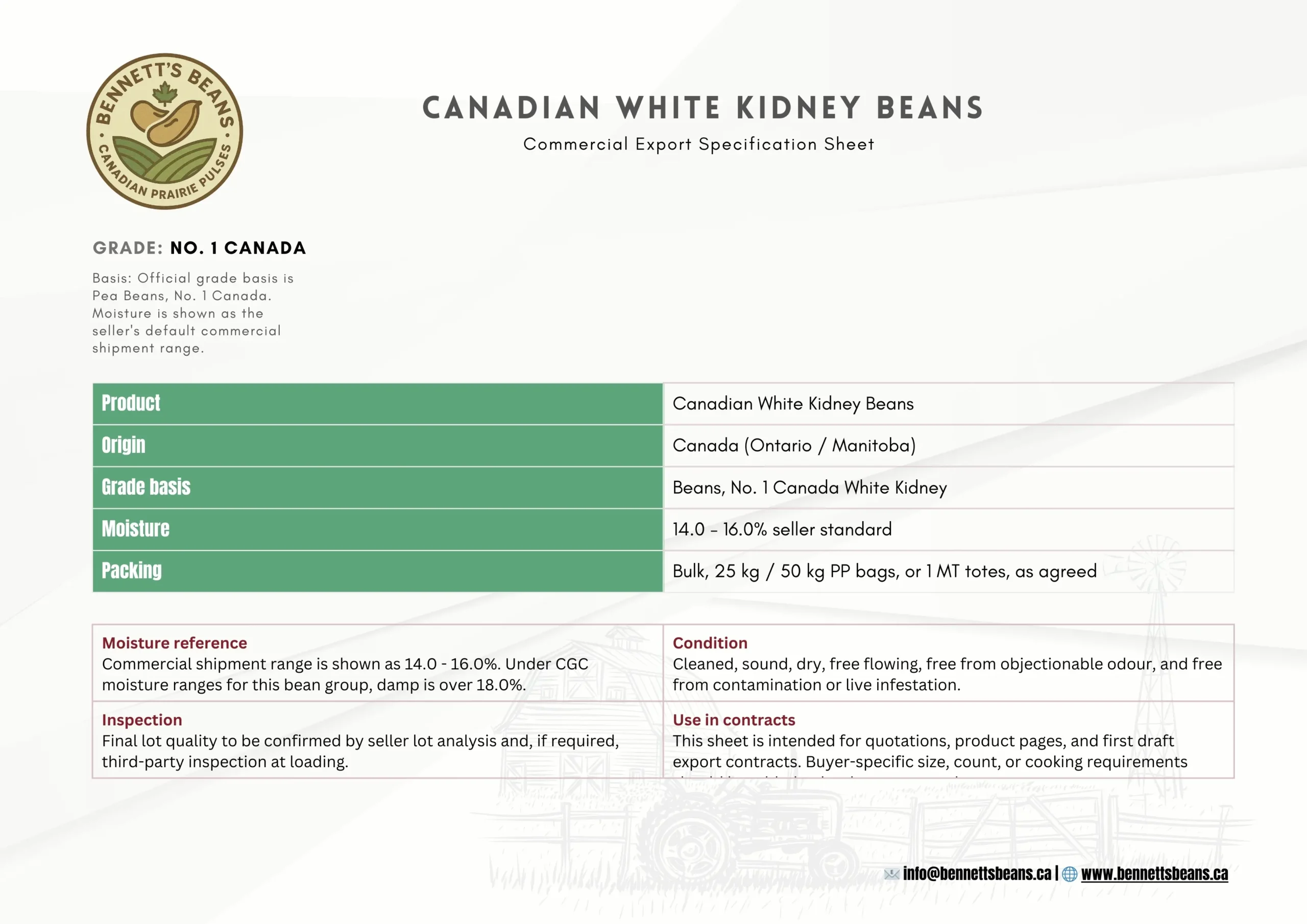
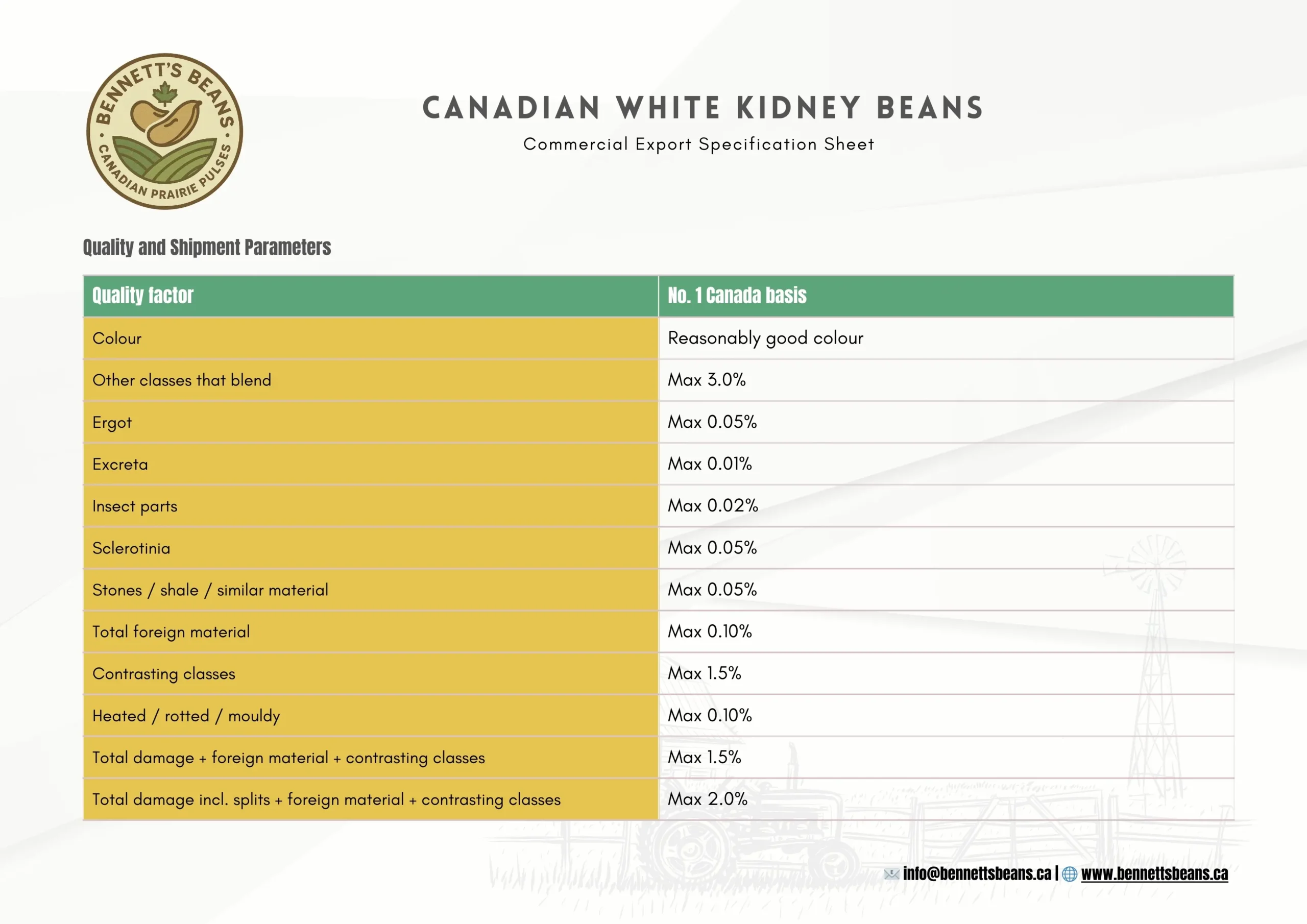
Program Specifications Confirmed by Lot
We confirm specifications per lot against the buyer’s program. Typical buyer targets may include:
- Moisture: ≤ 14% (as agreed)
- Purity: ≥ 99% (as agreed)
- Defect tolerances & foreign material: per buyer spec
- Sizing / colour expectations: confirmed at quotation
- Optional testing: available on request (based on destination requirements)
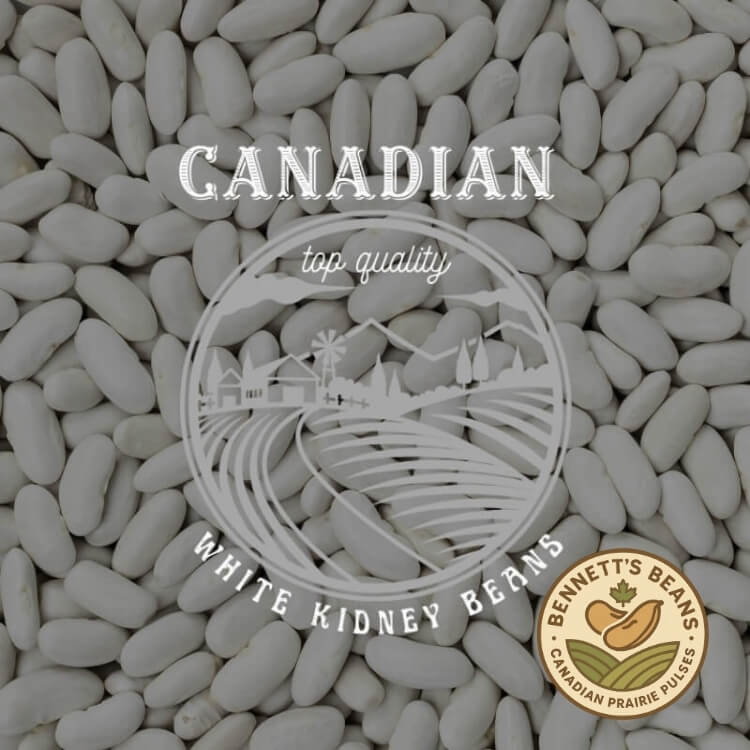
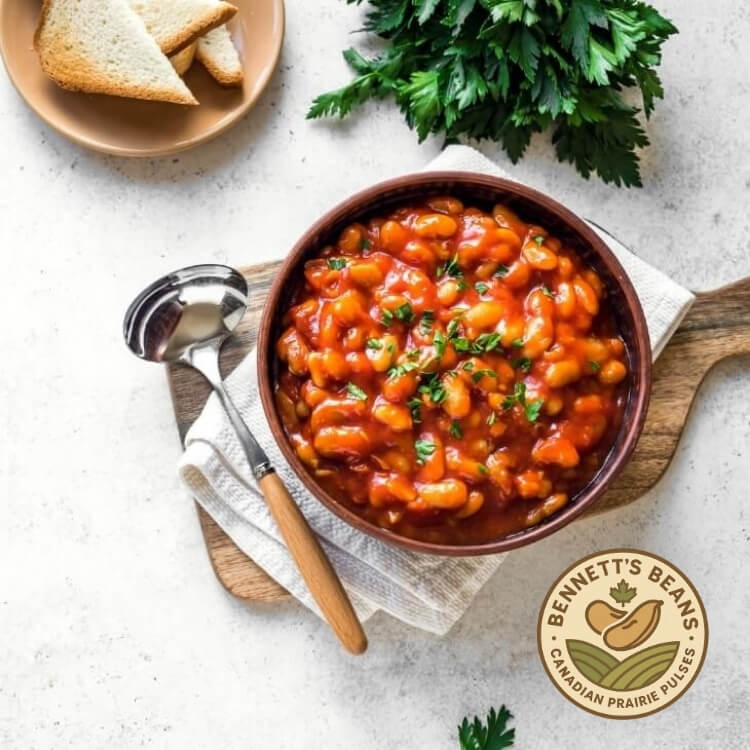
Best-Fit Applications Where Cannellini Performs Well
Common uses for Canadian cannellini (white kidney) beans:
- Canned beans and retort-processed meals
- Soups, minestrone, and foodservice recipes
- Salad and deli programs (visual appearance matters)
- Plant-based meals, dips, and spreads
- Ingredient supply for private-label or co-pack programs
Packaging Options & Container Utilization
We support several export pack formats depending on your market, handling requirements, and shipment basis. Common options include bulk bags, food-grade totes, and selected private-label formats where the program justifies it. For the fastest quotation, buyers should send volume, pack format, destination, and preferred Incoterm through our RFQ page.
- 25 kg poly-lined kraft bags
- 50 kg woven sacks (where applicable)
- 1-tonne food-grade bulk totes (FIBCs)
- Retail packs (e.g., 454 g / 1 lb) can be coordinated for private-label programs
As a result, we can plan container utilization and handling to match your warehouse, co-packer, or customer requirements more effectively. Where shipment paperwork is likely to affect the program, buyers can also review our export documents page before booking
Canadian Supply Regions Ontario & Manitoba Advantage
We support cannellini programs through established Canadian growing regions, including Ontario and Manitoba. Because crop conditions vary by season, we quote based on availability, lot profile, and destination timing rather than publishing static pricing. This helps buyers build repeatable export programs rather than one-off spot purchases, with handling and preparation aligned through qualified partners as described on our processing, cleaning, and food safety page.





Export Logistics Terms, Ports & Lead-Time Planning
Export programs are planned around destination, carrier schedules, and the agreed pack format. We can quote common Incoterms such as FOB, CFR, or CIF where applicable, and we confirm lead times at quotation and booking. If you have a preferred destination port, delivery window, or document requirement, include it in your RFQ so we can align the shipment plan and expected document workflow early.
Certificates & Export Documents (Quote-Based Support)
Export documentation is coordinated according to the destination market, shipment basis, and buyer requirements. For cannellini programs, the exact document set can vary depending on whether the shipment is intended for wholesale resale, private label, or food manufacturing. Buyers who need document clarity before booking can review our full export documents page.
- Commercial invoice & packing list
- Bill of lading
- Phytosanitary certificate (when required)
- COA / lot documentation (when requested)
- Additional certificates or statements if destination rules require them
Buyer FAQs
Do you sell online or publish pricing?
No. We don’t publish prices online. We quote based on specification, volume, packaging, destination, and Incoterms.
What information do you need for a fast export quote?
Share your target spec, volume, packaging format, destination port/country, and preferred Incoterm. If you have a delivery window, include that as well.
What packaging formats can you supply for export?
We support 25 kg / 50 kg bags and 1-tonne food-grade totes (FIBCs). Retail/private-label packs can be coordinated for program volumes.
Can you provide COA and destination documents?
Yes. We can coordinate export documents based on destination requirements, and COA/testing can be arranged upon request.
Are cannellini beans suitable for industrial canning/retort?
Yes. Cannellini is widely used in canning and ready-meal programs. We align lots to the performance and appearance targets required by your process.
How should cannellini beans be stored to maintain quality?
Store in a cool, dry, well-ventilated warehouse and avoid moisture exposure. Proper storage helps maintain colour and performance through the intended shelf period.
Quality Assurance & Lot Traceability
Before shipment, we verify lot identity and run checks aligned to the agreed program targets. For example, we confirm moisture and purity, review defect limits per the buyer’s specification, and maintain lot traceability so documents and shipment details stay linked to the correct production lot. Buyers who need a broader view of these controls can also review our bean specifications and processing, cleaning, and food safety pages.